
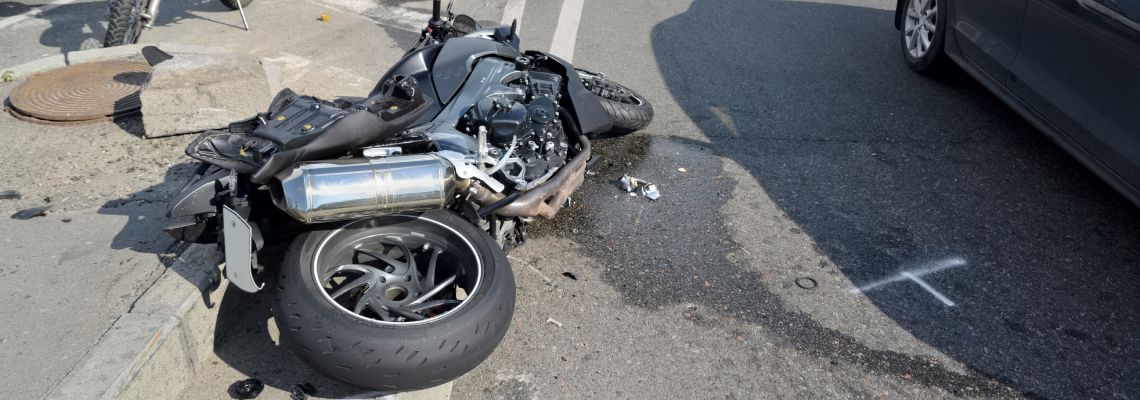
Motorcycle Left-Turn Accidents: Destroying the “You Were Lane-Splitting” Argument with Accident Reconstruction
Motorcycle left-turn collisions often happen in a matter of seconds. Drivers frequently claim they “never saw the motorcycle” before turning across traffic, and insurance companies often quickly try to shift blame onto the rider.
In many motorcycle accidents, one of the most common accusations involves alleged lane-splitting, even when the rider was traveling legally within a lane. These arguments can create serious challenges for injured motorcyclists already coping with medical treatment, lost income, and physical pain.
At Schilling & Esposito PLCC, we represent injured riders in Richmond, Virginia, who’ve been harmed in motorcycle accidents caused by negligent drivers. We understand how frustrating it can feel when insurance companies unfairly blame riders after an accident.
However, by reviewing physical evidence, witness statements, and reconstructing the accident scene, we can help you challenge unsupported accusations of lane-splitting and present a clearer picture of how the collision occurred. Contact us today to schedule a consultation.
Left-Turn Collisions Are Common in Motorcycle Accidents
Many motorcycle accidents happen when a passenger vehicle turns left across an oncoming rider’s path. These collisions often occur at intersections, parking lot entrances, or side streets where drivers misjudge a motorcycle’s speed or fail to notice the rider entirely.
Because motorcycles are smaller than passenger vehicles, drivers sometimes claim they didn’t have enough time to react. In other situations, drivers may attempt to reduce their own liability by arguing that the rider was speeding or lane-splitting before impact. Several factors commonly contribute to left-turn motorcycle accidents:
Failure to yield: Drivers may turn without waiting for approaching motorcycles to pass safely.
Distracted driving: Cell phone use, in-vehicle technology, or conversations may reduce driver attention.
Visibility issues: Poor weather, low lighting, or obstructed intersections may affect visibility.
Misjudging motorcycle speed: Drivers sometimes underestimate how quickly a motorcycle is approaching.
Unsafe assumptions about lane position: Drivers may incorrectly assume the rider wasn’t traveling properly within the lane.
As these collisions are investigated, insurance companies often seek arguments to shift fault onto the rider. That’s where lane-splitting allegations frequently arise.
Insurance Companies Often Use Lane-Splitting Accusations Strategically
After a motorcycle accident involving a left-turn collision, insurance carriers sometimes claim the rider was lane-splitting even when there’s little evidence supporting that argument. Because many people misunderstand motorcycle riding practices, insurers may attempt to use these assumptions to reduce payouts or dispute liability.
Lane-splitting allegations can influence how witnesses, adjusters, and jurors initially view the accident. Unfortunately, these accusations are sometimes based more on stereotypes than physical evidence. Insurance companies may argue that the rider:
Was traveling between lanes unlawfully: Adjusters may claim the motorcycle wasn’t positioned properly before impact.
Was weaving through traffic aggressively: Riders are sometimes portrayed as reckless without supporting proof.
Approached the intersection too quickly: Speed allegations are commonly tied to lane-splitting accusations.
Reduced the driver’s reaction time: Insurers may argue the rider created an unavoidable situation.
As these accusations develop, physical evidence often becomes increasingly important. This is where accident reconstruction may help challenge inaccurate assumptions about motorcycle accidents.
How Accident Reconstruction May Clarify How the Collision Occurred
Accident reconstruction involves analyzing physical evidence to determine how a motorcycle accident likely happened. These investigations often rely on measurements, vehicle damage patterns, roadway markings, surveillance footage, and witness testimony.
In motorcycle accidents involving disputed fault, reconstruction can often determine whether the rider was traveling within the proper lane at the time of impact. The primary types of evidence that can help determine lane-splitting during accident reconstruction include the following:
Skid marks and tire tracks: These markings may help identify vehicle positioning and braking patterns.
Vehicle damage locations: Impact points often reveal how the vehicles collided and where each vehicle was positioned.
Road debris patterns: Debris distribution may indicate the location of impact.
Surveillance or dash camera footage: Video evidence may contradict inaccurate assumptions by witnesses.
Electronic vehicle data: Some vehicles store speed and braking information in black boxes or digital caches that can pinpoint data at the time of the collision.
Depending on the information collected, accident reconstruction can often provide evidence to question the credibility of unsupported lane-splitting allegations. If you have been injured in a motorcycle accident, contact a skilled Virginia personal injury attorney for guidance.
Witness Accounts May Not Always Tell the Full Story
Witness statements are frequently used as important evidence in motorcycle accidents, but they’re not always completely accurate. Many collisions occur quickly, and bystanders may observe only a small portion of the event before impact.
Additionally, some witnesses may unintentionally rely on assumptions about motorcycles rather than direct observations. A motorcycle traveling normally through traffic may later be described as “weaving” simply because of the vehicle’s size or movement. Some common ways witness testimony can be challenged when lane-splitting is alleged include the following:
Limited viewing angles: Buildings, parked vehicles, or traffic may obstruct the witness's view of the accident.
Brief observation time: Witnesses may only see the collision moments before impact.
Bias against motorcycles: Some witnesses may assume that the motorcyclist was speeding or behaving recklessly.
Confusion after traumatic events: Stress and shock may affect a witness's memory.
Because witness testimony can vary significantly, accident reconstruction can provide an objective account of what actually occurred during the accident, whether the motorcyclist was lane-splitting, and which party is at fault for the collision.
Contact a Skilled Virginia Personal Injury Attorney for Motorcycle Accidents Today
At Schilling & Esposito PLCC, our attorneys, Tom Schilling and Mark Mario Esposito, are dedicated to helping injured riders pursue claims involving motorcycle accidents and disputed liability allegations. We understand how damaging false accusations of lane-splitting can be after a serious accident, and we are committed to helping you pursue compensation for your injuries.
By reviewing evidence and working with accident reconstruction experts, we can help you present a clearer picture of what happened and help you hold the at-fault party accountable. Located in Richmond, Virginia, we serve clients throughout the surrounding areas. Contact us today to schedule a consultation.