
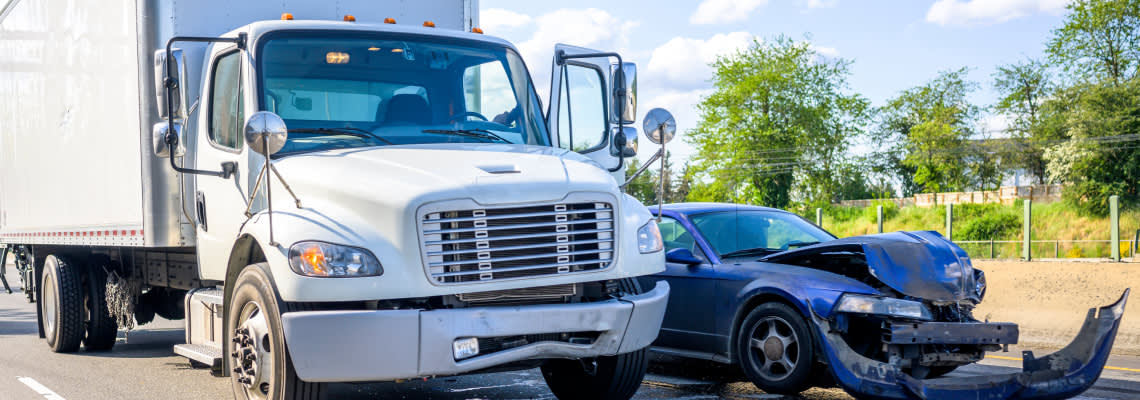
Semi Truck Underride Deaths: Why Guard Designs Still Fail and How to Beat Federal Preemption
Losing a loved one in a semi truck underride accident is a tragic experience. These accidents often leave families searching for answers about how something so preventable could happen. When a smaller vehicle slides beneath a semi truck, the consequences are often catastrophic, leaving little chance for survival.
If you’re facing the aftermath of such a loss, it’s natural to feel overwhelmed and uncertain about what comes next. At Schilling & Esposito PLCC, we are dedicated to helping families pursue claims involving underride crashes and other serious trucking incidents.
Our goal is to help you uncover what went wrong, including whether safety equipment, such as underride guards, failed to perform as intended. These cases often involve both engineering issues and legal challenges, including federal preemption defenses raised by trucking companies and manufacturers.
Located in Richmond, Virginia, we serve clients throughout Central Virginia. If you have lost a loved one due to a semi truck underride accident, contact us today to schedule a consultation, understand how these accidents can happen, and explore how to overcome federal preemption in these types of accidents.
Why Do Underride Guard Designs Continue to Fail?
Underride guards are designed to prevent smaller vehicles from sliding beneath the rear or sides of a semi truck during a collision. While federal regulations require certain guard installations, many designs still fail under real-life crash conditions. In semi truck accident cases, these failures are often central to determining liability.
Despite existing standards, some guards aren’t strong enough to withstand the force of high-speed collisions. Others may not extend far enough to protect against offset impacts, which are common in real-life crashes. Some of the most common reasons underride guards tend to fail include the following:
Insufficient structural strength: Guards may buckle or detach during impact, materials may not withstand collision forces, and failure may occur even at moderate speeds.
Limited coverage area: Guards may not extend across the full width of the trailer, gaps may allow vehicles to underride during angled collisions, and side underride protection is often absent.
Outdated regulatory standards: Federal requirements may not reflect current crash data, testing conditions may not match real-life scenarios, and manufacturers may meet minimum standards without improving safety.
Poor maintenance or installation: Guards may be damaged or improperly secured, a lack of inspection may lead to unnoticed defects, and maintenance failures can contribute to guard failure.
These issues are often focal points in semi truck accident claims, especially when determining whether safer alternatives were available to prevent such accidents from occurring.
How Federal Preemption Impacts Underride Claims
In many underride cases, trucking companies and manufacturers raise a legal defense known as federal preemption. This argument claims that federal regulations governing truck safety override state-level claims, potentially limiting their liability for underride accidents.
Under Virginia law, preemption can affect whether a claim based on defective design or failure to install additional safety features can proceed, and trucking companies may argue that compliance with federal standards shields them from liability. Some common ways preemption is used in semi truck underride accidents include:
Compliance-based defense: Claiming the truck met federal safety standards, arguing no additional requirements apply, or using regulatory compliance as a shield.
Challenging state law claims: Arguing that state-level claims are preempted, limiting the ability to pursue design defect claims, or attempting to dismiss certain legal arguments.
Restricting innovation claims: Arguing that manufacturers aren’t required to exceed federal standards, limiting claims based on safer alternative designs, or focusing on minimum compliance rather than best practices.
Preemption arguments can create significant hurdles, but they aren’t always successful. Virginia courts often examine whether claims conflict with federal law or simply seek accountability beyond minimum standards.
Strategies for Overcoming Federal Preemption Defenses
While federal preemption is a powerful defense, it doesn’t automatically prevent you from pursuing a claim. In semi truck accident cases, several strategies can be used to challenge preemption arguments and keep claims moving forward. The common approaches you may be able to employ include the following:
Demonstrating gaps in federal regulations: Showing that federal standards don’t address specific risks, highlighting areas where regulations are silent, or arguing that state claims don’t conflict with federal law.
Focusing on defective design claims: Arguing that a product is unreasonably dangerous, presenting evidence of safer alternative designs, or showing that compliance alone wasn’t sufficient.
Highlighting failure to maintain equipment: Demonstrating that guards were damaged or improperly maintained, showing that maintenance failures contributed to the crash, or distinguishing maintenance issues from design compliance.
Using expert testimony: Presenting engineering analysis of guard failure, explaining how alternative designs could have prevented injury, or supporting claims with crash reconstruction evidence.
These strategies are often critical in semi truck accident litigation, especially in cases involving catastrophic injuries or fatalities. If you have been injured in an underride accident, contact an experienced Virginia truck accident lawyer for guidance.
Evidence That Can Strengthen a Semi Truck Underride Accident Claim
Strong evidence is essential in underride cases. When pursuing a semi truck accident claim, it's essential to gather the following types of evidence to strengthen your claim and pursue the compensation you deserve:
Accident scene documentation: Collect photographs of your vehicle damage and the guard condition, measurements of the impact points, and the road and weather conditions.
Vehicle inspection reports: Record the condition of the underride guards and obtain copies of maintenance and repair records to verify compliance with safety regulations.
Crash reconstruction analysis: Consult with experts to evaluate how the collision occurred, identify guard failure points, and analyze impact forces.
Manufacturer design records: Review the engineering specifications for guard design, testing data, safety evaluations, and internal communications regarding safety concerns.
Collecting this evidence can help you build a stronger case for your underride accident claim and support arguments against preemption defenses. Contact a Virginia auto accident lawyer for further guidance and representation for your case.
Contact an Experienced Auto Accident Attorney in Virginia Today
Losing a loved one in an underride crash is a life-altering experience. You may be left with questions about how the accident happened and whether it could have been prevented. Pursuing accountability can be an important step toward finding answers and securing financial support for your family’s future.
At Schilling & Esposito PLCC, our attorneys, Tom Schilling and Mark Esposito, are dedicated to helping families pursue claims involving underride crashes and other serious trucking incidents. Located in Richmond, Virginia, we serve clients throughout Central Virginia. Contact us today to schedule a consultation and explore your options for pursuing compensation.